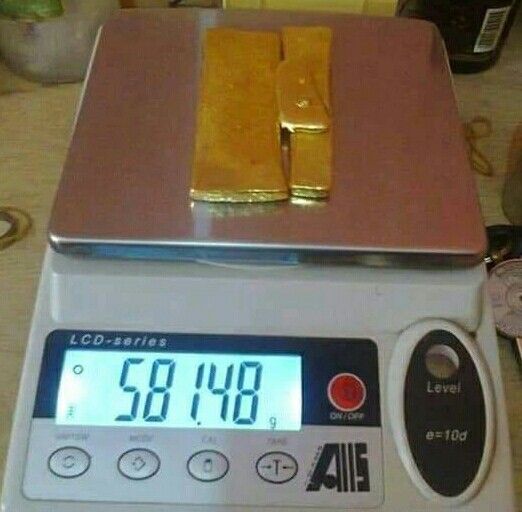
Gold has always played a crucial role in the global economy. For centuries, it has been recognized as a symbol of wealth, stability, and financial security. Even today, gold continues to be one of the most trusted assets across the world. The current gold rate of 515,000 rupees reflects strong market demand and sustained investor confidence. Alongside gold, silver is trading at 12,500 rupees, maintaining its importance as both a precious metal and an industrial resource.
These prices are influenced by a combination of global and local economic factors. Gold and silver do not fluctuate randomly; their rates respond to inflation, currency strength, global financial stability, and investor behavior. Understanding these factors is essential for anyone interested in precious metals.
Current Gold Rate Analysis
The current gold price of 515,000 rupees highlights gold’s strong position in the market. Gold prices typically rise during periods of economic uncertainty. When inflation increases or financial markets become unstable, investors prefer safe-haven assets, and gold remains one of the most reliable options.
Gold is not just a tradable commodity; it is a long-term store of value. Unlike paper currency, gold maintains its worth over time. This is why central banks and institutional investors hold large gold reserves. The current rate reflects both domestic demand and international market influence.
Current Silver Rate Analysis
Silver is currently priced at 12,500 rupees, making it more affordable compared to gold. Silver has a unique position in the market because it is widely used in industries such as electronics, renewable energy, medical equipment, and manufacturing.
Along with industrial usage, silver is also an investment asset. Many investors choose silver as an alternative to gold due to its lower price and potential growth. However, silver prices tend to be more volatile because they depend heavily on industrial demand.
Economic Factors Affecting Gold and Silver Prices
Several economic factors play a key role in determining gold and silver prices:
Inflation: When inflation rises, the value of money decreases. Gold and silver are commonly used to protect wealth during inflationary periods.
Currency Strength: A weaker currency often results in higher precious metal prices, as investors seek stable value.
Global Economic Conditions: Economic slowdowns, recessions, and financial crises increase demand for gold and silver.
Interest Rates: Lower interest rates make non-interest-bearing assets like gold more attractive.
Supply and Demand: Mining production and industrial consumption directly influence prices, especially in silver.
Gold as a Long-Term Investment
Gold is widely considered a reliable long-term investment. It is often included in diversified portfolios to reduce overall financial risk. Gold does not rely on company profits or government policies, making it different from stocks and bonds.
The current gold rate of 515,000 rupees reflects continued investor trust. Gold is usually purchased for wealth preservation rather than short-term profit, which adds to its long-term appeal.

Silver as an Investment Choice
Silver provides an accessible investment opportunity, especially for smaller investors. At 12,500 rupees, it allows entry into the precious metals market without high capital.
Silver also benefits from technological advancement, particularly in renewable energy and electronics. However, its price can fluctuate due to changes in industrial demand, making it suitable for investors who can manage volatility.

Cultural and Traditional Importance of Gold and Silver
Gold and silver hold deep cultural value. Gold is commonly purchased for weddings, festivals, and family celebrations. It is often passed down through generations as a symbol of prosperity and security.
Silver is traditionally used for household items, ornaments, and religious purposes. This consistent cultural demand supports long-term stability in precious metal markets.

Market Trends and Investor Behavior
Current market trends show that investors are becoming more cautious. Rising inflation, economic uncertainty, and unstable financial markets have increased interest in safe-haven assets like gold.
Silver has also gained attention, although its price remains sensitive to industrial activity. Both metals continue to play an important role in investment strategies during uncertain times.

Future Outlook for Gold and Silver
The future direction of gold and silver prices depends largely on global economic conditions. If inflation remains high or economic uncertainty continues, gold prices are likely to stay strong.
Silver’s future performance is closely linked to industrial growth and technological progress. Industries such as renewable energy and electronics are expected to support long-term demand.
Investors should remain informed and cautious, as market conditions can change over time.

Conclusion
The current gold rate of 515,000 rupees and silver rate of 12,500 rupees demonstrate the continued importance of precious metals in today’s economy. Gold offers stability and long-term value, while silver provides affordability and industrial relevance.
Both metals play a vital role in investment planning, cultural traditions, and economic security. Understanding market trends and economic influences helps individuals make informed decisions regarding gold and silver.
Frequently Asked Questions (FAQs)
What is the current gold rate?
The current gold rate is 515,000 rupees.
What is the current silver rate?
The current silver rate is 12,500 rupees.
Why is gold considered a safe investment?
Gold retains value during inflation and economic uncertainty, making it a trusted asset.
Is silver a good alternative to gold?
Yes, silver is more affordable and has industrial demand, but it is more volatile than gold.
What factors influence gold and silver prices the most?
Inflation, currency strength, interest rates, global economic conditions, and supply-demand balance.