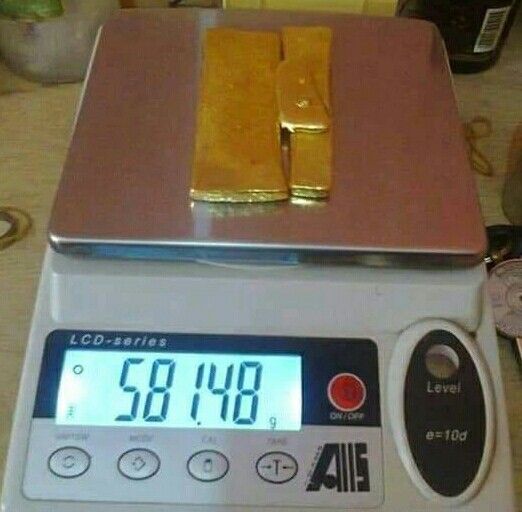
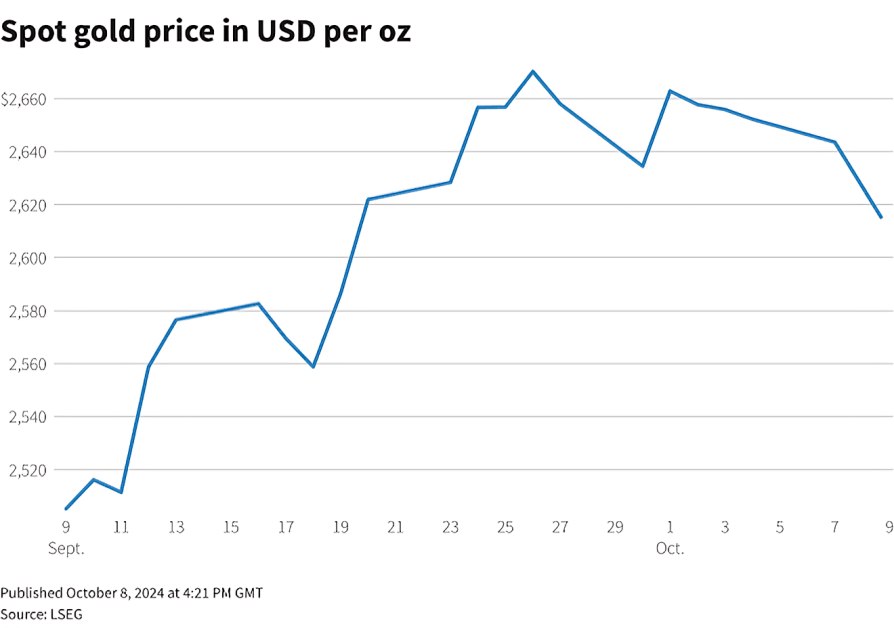
Gold prices remain under pressure as a stronger U.S. dollar and hawkish Federal Reserve expectations push the metal toward multi-month lows. Here’s what traders and investors should watch next.
Gold futures continue to struggle near recent lows, with sellers maintaining firm control across the broader market. Despite technical indicators showing deeply oversold conditions, analysts caution that betting on an immediate rebound may be premature. The current market environment still favors bearish momentum, and traders are being urged to remain disciplined rather than attempting to call the bottom too early.
A Powerful Downtrend Remains Intact
The broader technical picture suggests that gold is still locked in a strong downward trend. Key trend-following indicators continue to point lower, indicating that sellers remain dominant across multiple time frames. Resistance levels have repeatedly rejected recovery attempts, reinforcing the idea that bearish sentiment is far from exhausted.
Momentum indicators show that the market has become extremely oversold, but oversold conditions alone do not guarantee a reversal. In strongly trending markets, prices can remain under pressure for extended periods before buyers regain confidence.
Strong Dollar and Fed Expectations Weigh on Gold
One of the primary drivers behind gold’s weakness is the continued strength of the U.S. dollar. A stronger dollar makes gold more expensive for international buyers, reducing overall demand and placing additional pressure on prices.
At the same time, investors remain focused on signals from the Federal Reserve. Expectations that interest rates may stay elevated for longer have increased the attractiveness of yield-generating assets such as government bonds. Since gold does not provide regular income, higher rates tend to reduce its appeal among investors.
The combination of a firm dollar, higher yields, and cautious market sentiment has created a challenging environment for precious metals.
Oversold Conditions Raise Questions
Although technical readings suggest that gold is trading in deeply oversold territory, market experts warn against assuming that a rebound is imminent. History has shown that strong trends often push prices beyond traditional support levels before meaningful recoveries occur.
Investors looking for signs of stabilization may want to watch for:
- Strong buying volume during price rebounds.
- Higher lows on shorter time frames.
- A break above key resistance zones.
- Confirmation from momentum indicators turning positive.
Until such signals appear, the broader trend still favors sellers.

Trading Strategies Require Patience
Professional traders often avoid chasing markets during periods of extreme volatility. Instead, they wait for clear confirmation before entering new positions.
Aggressive participants may look for short-term opportunities near resistance levels, while more conservative traders prefer allowing the market to establish a stronger recovery before making decisions. Risk management remains essential, particularly in fast-moving commodity markets where sentiment can shift rapidly.
Many analysts recommend maintaining disciplined stop-loss strategies and avoiding emotional trading decisions during periods of heightened uncertainty.
Key Levels to Watch
Several price zones could determine gold’s next major move.
A recovery toward previous resistance areas may attract renewed selling interest, especially if accompanied by weak trading volume. Conversely, a decisive move above important technical barriers could indicate that bearish momentum is beginning to fade.
Market participants should also monitor:
- Federal Reserve statements and policy updates.
- U.S. inflation data.
- Treasury bond yields.
- Movements in the U.S. dollar index.
- Global geopolitical developments.
These factors will likely shape gold’s direction over the coming weeks.
Understanding the Risks of a “Falling Knife”
Financial markets often use the phrase “catching a falling knife” to describe buying an asset that continues to decline. While deeply oversold conditions may attract bargain hunters, entering too early can expose investors to additional losses if the downtrend remains intact.
Experienced traders typically wait for evidence that selling pressure has eased before committing capital. Confirmation through price action, volume, and momentum indicators helps reduce the risk of premature entries.
Patience and discipline are especially important during strong bearish phases.
Frequently Asked Questions
Why is gold under pressure right now?
Gold is facing selling pressure due to a stronger U.S. dollar, elevated Treasury yields, and expectations that the Federal Reserve could maintain higher interest rates for an extended period.
Does an oversold market mean prices will rise immediately?
Not necessarily. Markets can remain oversold for long periods during powerful trends. Traders usually seek additional confirmation before expecting a sustained recovery.
How does a stronger dollar affect gold prices?
A stronger dollar makes gold more expensive for buyers using other currencies, which can reduce global demand and place downward pressure on prices.
What should investors monitor in the coming weeks?
Investors should watch Federal Reserve communications, inflation reports, bond yields, currency movements, and geopolitical developments that could influence safe-haven demand.
Is gold still a good long-term investment?
Many investors continue to view gold as a valuable long-term asset for portfolio diversification and protection against economic uncertainty, despite short-term volatility.
Conclusion
Gold remains under significant pressure as macroeconomic factors continue to favor the U.S. dollar and higher-yielding assets. While oversold conditions may eventually create opportunities for a rebound, current technical and fundamental indicators suggest that caution is still warranted. Investors should focus on confirmation signals, manage risk carefully, and avoid rushing into positions before the market demonstrates a meaningful change in direction.