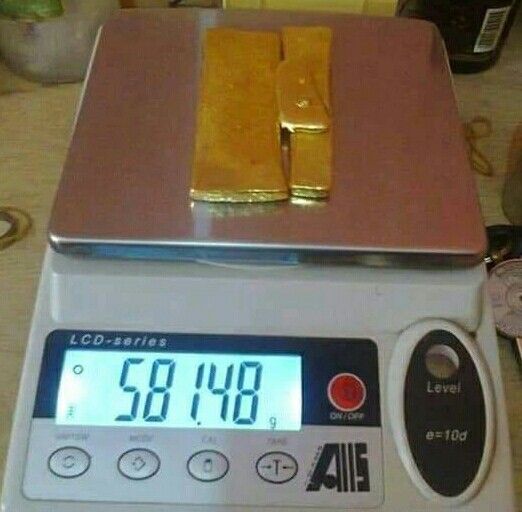
Gold prices remain near a seven-month low as a hawkish Federal Reserve outlook strengthens the U.S. dollar. Explore the reasons behind the decline, market reactions, investor sentiment, and future expectations.
Gold prices continued to hover near a seven-month low as investors reacted to a more hawkish stance from the U.S. Federal Reserve. Expectations of higher interest rates for a longer period have strengthened the U.S. dollar, putting additional pressure on precious metals.
Traditionally viewed as a safe-haven asset, gold often struggles when interest rates rise because it does not generate income like bonds or savings instruments. As a result, traders and investors are closely monitoring the Federal Reserve’s policy direction and its impact on global commodity markets.
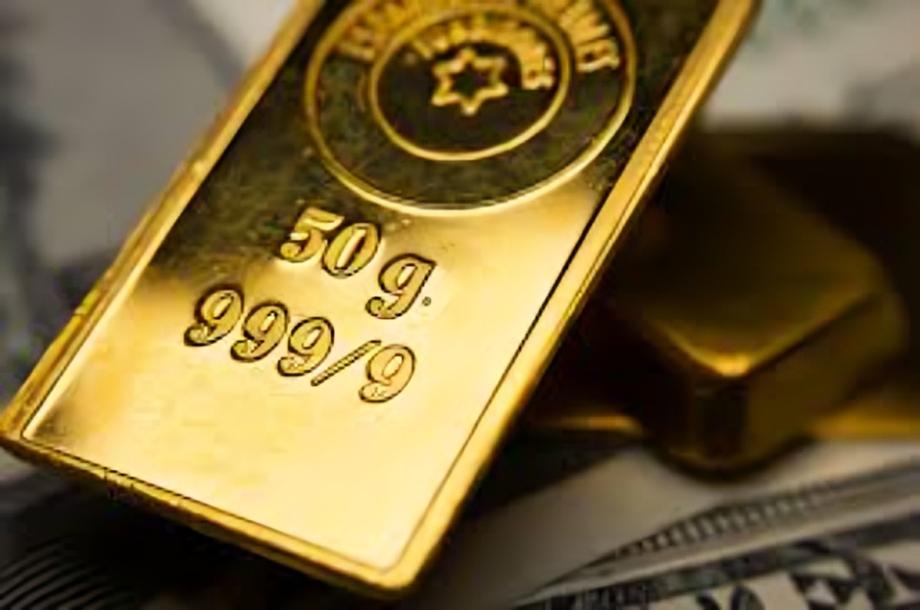
Why Is Gold Falling?
Several factors have contributed to the recent decline in gold prices.
1. Hawkish Federal Reserve Signals
A hawkish monetary policy means that the Federal Reserve is focused on controlling inflation, even if it requires maintaining higher interest rates for an extended period. Higher rates increase borrowing costs and make interest-bearing assets more attractive than gold.
Investors have interpreted recent statements from policymakers as a sign that rate cuts may not happen as quickly as previously expected. This outlook has reduced demand for non-yielding assets such as gold.
2. Stronger U.S. Dollar
The U.S. dollar has gained strength as investors seek higher returns in dollar-denominated assets. Since gold is priced globally in dollars, a stronger greenback makes the precious metal more expensive for international buyers, reducing overall demand.
The inverse relationship between gold and the dollar remains one of the most important drivers in commodity markets.
3. Rising Treasury Yields
Government bond yields have also moved higher in response to the Federal Reserve’s outlook. When Treasury securities offer attractive returns with relatively low risk, some investors shift their money away from gold.
This movement has added further downward pressure on bullion prices in recent months.
Global Market Reaction
Financial markets worldwide have been closely watching every statement from the Federal Reserve. Equity investors, commodity traders, and currency markets have all adjusted their expectations according to the possibility of prolonged higher interest rates.
Gold-producing nations and mining companies are also feeling the effects. Lower gold prices can impact revenues, investment plans, and future production decisions across the mining sector.
Meanwhile, central banks in several countries continue to maintain significant gold reserves, reflecting the metal’s long-term importance despite short-term price fluctuations.
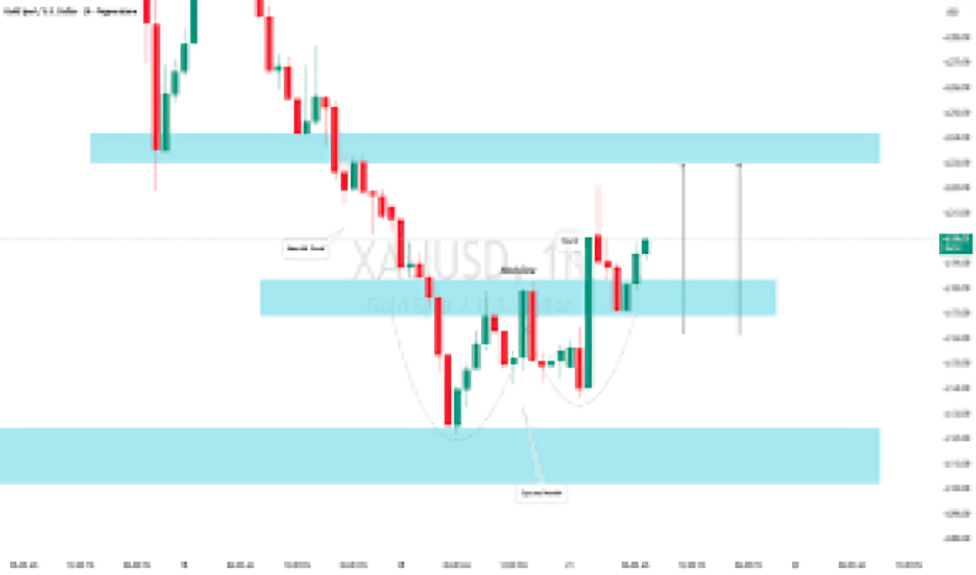
Investor Sentiment Remains Cautious
Market participants remain divided on the future direction of gold prices. Some analysts believe the current weakness may continue if inflation remains stubborn and interest rates stay elevated.
Others argue that geopolitical tensions, economic uncertainty, and potential slowdowns in global growth could revive safe-haven demand for gold. Historically gold has often recovered during periods of financial instability.
Retail investors are also adopting a wait-and-see approach, monitoring economic data releases, inflation reports, and Federal Reserve meetings before making major investment decisions.
What Could Support Gold Prices in the Future?
Despite current challenges, several factors could provide support for gold in the coming months.
Potential Interest Rate Cuts
If inflation continues to ease, the Federal Reserve may eventually shift toward a more accommodative stance. Lower interest rates generally benefit gold by reducing the opportunity cost of holding the metal.
Geopolitical Risks
Political tensions, military conflicts, and global uncertainties often increase demand for safe-haven assets. Gold has historically performed well during such periods.
Central Bank Purchases
Many central banks continue to diversify their reserves by purchasing gold. Strong institutional demand could help stabilize prices even during periods of market weakness.
Inflation Concerns
Although inflation has moderated in some regions, persistent price pressures could renew interest in gold as a store of value and a hedge against declining purchasing power.
Outlook for the Gold Market
The near-term outlook for gold remains closely tied to Federal Reserve policy decisions and the performance of the U.S. dollar. Any indication that policymakers may soften their stance could provide relief to bullion markets.
However, if economic data continues to support higher interest rates, gold may remain under pressure for an extended period. Investors should pay close attention to inflation figures, employment reports, and central bank communications.
Long-term investors often view temporary declines as opportunities, while short-term traders remain focused on market volatility and momentum.
Frequently Asked Questions (FAQs)
Why is gold trading near a seven-month low?
Gold prices have weakened due to expectations that the Federal Reserve will keep interest rates higher for longer, strengthening the U.S. dollar and reducing demand for non-yielding assets.
What does a hawkish Federal Reserve mean?
A hawkish Federal Reserve prioritizes controlling inflation through tighter monetary policy, including higher interest rates and slower rate cuts.
How does a strong dollar affect gold prices?
A stronger dollar makes gold more expensive for buyers using other currencies, which can reduce global demand and put downward pressure on prices.
Can gold recover from current lows?
Yes. Factors such as lower interest rates, geopolitical tensions, inflation concerns, and central bank purchases could support a recovery in gold prices.
Is gold still considered a safe-haven asset?
Absolutely. Despite short-term price movements, gold remains one of the world’s most trusted safe-haven investments during periods of economic and political uncertainty.
Conclusion
Gold’s struggle near a seven-month low highlights the powerful influence of Federal Reserve policy and the strength of the U.S. dollar. While higher interest rates have challenged bullion markets, gold continues to maintain its reputation as a reliable long-term store of value. Investors will closely watch upcoming economic developments to determine whether the precious metal can regain momentum in the months ahead.